OptimasMAX
Different technologies. One considered plan.
A modular aesthetic platform combining radiofrequency, intense pulsed light and laser technologies for skin and hair concerns. Treatment options depend on the applicator and individual assessment.
Your medical assessment determines suitability.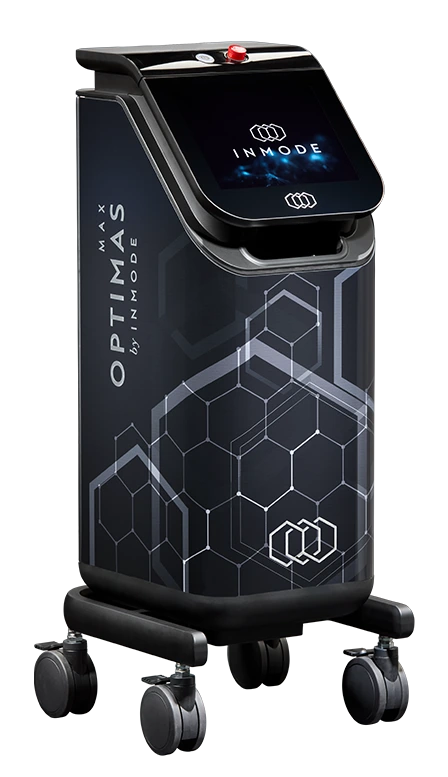
Understand the platform.
Multi-platform fractional RF, IPL & laser
Manufacturer information- 01Morpheus8 Burst fractional RF
- 02Lumecca Peak IPL
- 03Laser hair-removal & vascular applicators
Areas of application
Skin texture & firmness · Pigment & visible vessels · Hair reduction
An informed choice.
What the evidence can tell you — and where its limits matter.
Sources checkedEvidence & expectations
RF microneedling introduces electrodes into tissue; it is different from external RF heating. Any proposed benefit needs to be considered alongside the actual needle depth, applicator and treated area. A platform name alone does not describe the procedure.[1]
IPL uses filtered broad-spectrum light rather than one laser wavelength. Dermatology guidance supports selected light treatments for visible vessels; pigment concerns require their own diagnosis. Findings for light treatment in general are not proof of a specific Lumecca protocol.[2]
Preparation & recovery
Ask whether the proposed treatment punctures the skin, what anaesthesia and aftercare it needs and how to contact the clinician during healing. Do not infer recovery from an external-RF treatment.[1]
Recent tanning, previous pigment changes and your usual skin care affect planning. Arrange sun protection and product-specific aftercare; a treatment setting or study schedule should not be copied as a personal prescription.[3]
Risks & limitations
In October 2025 the FDA highlighted reports of burns, scarring, fat loss, nerve damage and disfigurement with certain RF-microneedling uses. These are material risks to discuss, not effects that can be excluded by describing treatment as minimally invasive.[1]
Pigment can darken or lighten after an inflammatory procedure. Melasma can recur and needs an ongoing management plan; a laser is not a universal cure for brown patches. Establish the diagnosis before selecting the device.[3]
Compare your options
A surface-texture goal, a deeper soft-tissue goal and a surgical correction are different decisions. Compare the proposed depth and risks with fractional laser or non-invasive options before selecting a procedure.[4][5]
Discuss whether redness, visible vessels or brown spots are the main target. A vascular laser, a pigment-focused laser and ongoing skin care have different roles; not every change should be addressed by IPL.[2][3]
Different approaches to discuss
These links explain different targets. They are not personalised recommendations.
Morpheus8 RF microneedlingPicoSure Pro FocusUltraClear Laser-CoringLumecca Peak IPLSources & further reading
- Regulatory safety informationPotential risks with certain uses of RF microneedlingFDA · 2025
- Professional guidanceLasers and lights for rosaceaAmerican Academy of Dermatology
- Professional guidanceMelasma: diagnosis and treatmentAmerican Academy of Dermatology
- Systematic reviewMonopolar and bipolar radiofrequency for skin tightening: systematic reviewRohrich et al. · Plastic and Reconstructive Surgery · 2022
- Clinical study755 nm picosecond laser with a specialized optic for acne scarsBrauer et al. · JAMA Dermatology · 2015
- Manufacturer informationOptimasMAX: platform informationInModeManufacturer information explains the platform or named protocol; it is not independent evidence of clinical benefit.
How we use evidence
A controlled trial compares interventions in defined groups; an uncontrolled cohort cannot, alone, establish causality. A review depends on the quality of its included studies. We distinguish these sources from manufacturer information and identify when findings do not directly apply to the platform or protocol.
The date records when sources were checked for this guide. It is not a statement of individual clinical review, product authorisation or confirmation of the clinic’s available configuration.
This guide supports a conversation with your clinician. It does not determine your suitability or replace individual aftercare instructions.
Regulatory sources describe their own jurisdictions; a US authorisation or warning does not determine a product’s legal status in Portugal.
Where this technology fits.
Explore the treatment pathways that use this platform, including the sequence and what to discuss at your assessment.