K-LUXE
Structure and surface, considered together. K-LUXE pairs XERF radiofrequency with the UltraMD thulium laser for a plan that addresses firmness alongside tone and texture.
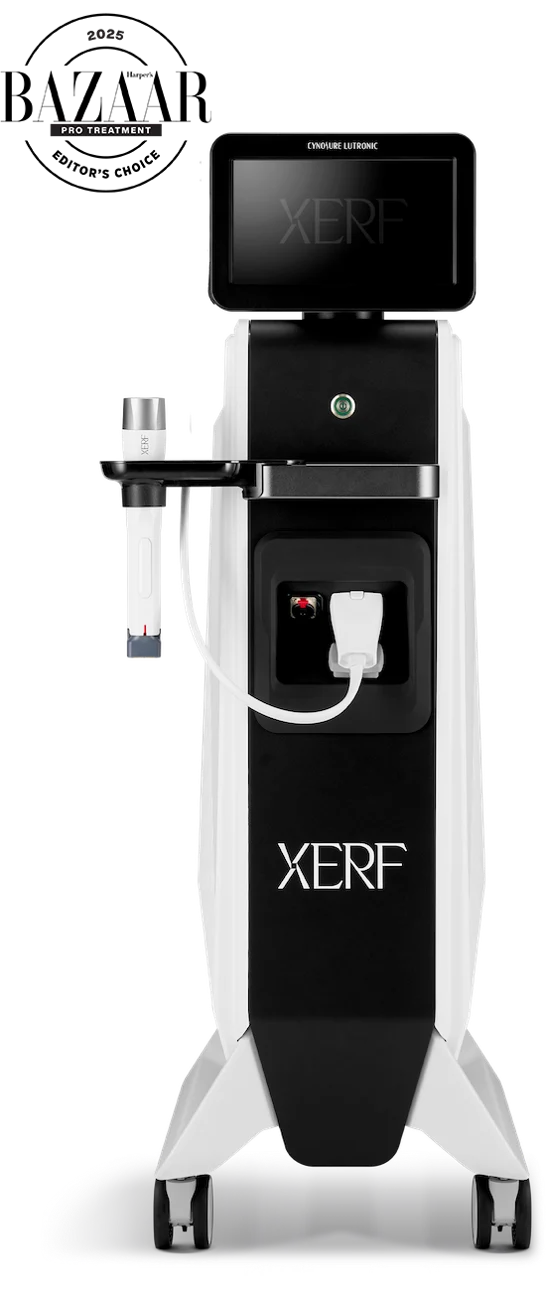 XERF
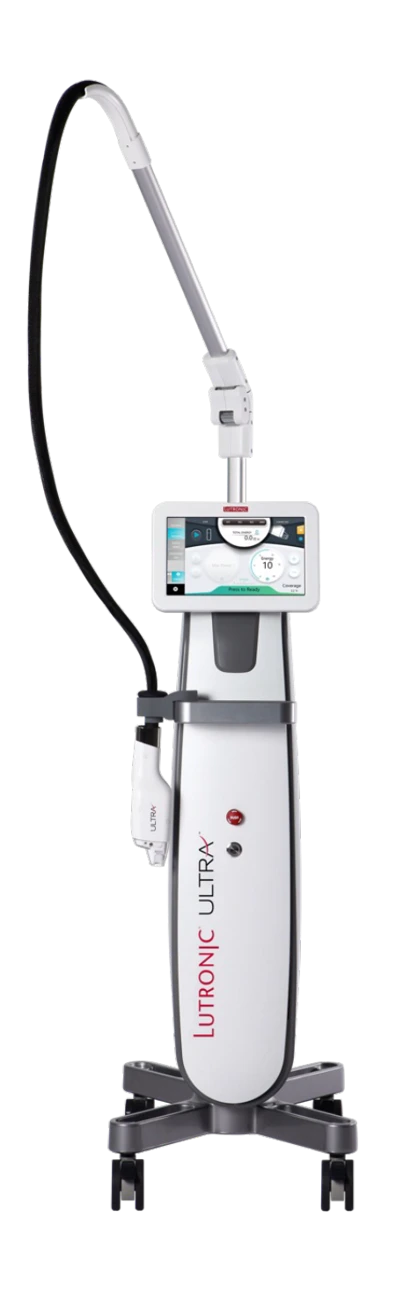 UltraMD
Your care, step by step.
Assess the target
Identify the concern, skin or body area and suitability.
Plan the sequence
Agree the technology, timing, recovery and expected course of care.
Planned treatment
Carry out the agreed approach and provide the specific aftercare.
Recover & review
Follow aftercare and review the response before any further treatment.
What to plan for
The clinician plans the sequence, intensity and follow-up around your skin and the priorities established in the assessment.
The sequence, session count and intervals are agreed individually. This is a pathway, not a fixed calendar.
An informed choice.
What the evidence can tell you — and where its limits matter.
Sources checkedEvidence & expectations
K-LUXE pairs a firmness-focused RF step with a surface-focused thulium step. Evidence for each device separately does not quantify the added benefit, ideal sequence or recovery of this branded pairing.[1]
An early XERF study retrospectively followed 16 women for up to three months. It reported improvements in laxity and some skin-quality measurements, without a control group; one author disclosed a manufacturer training role. The authors call the findings preliminary.[2]
A randomized split-face study in 20 people compared a 1927 nm thulium laser with a fractional picosecond laser. Both improved measured photoageing features, but recovery differed. This supports discussion of the wavelength class, not proof that every UltraMD setting or combination produces the same effect.[3]
Preparation & recovery
Discuss implants, previous procedures and any condition affecting the treatment area. Ask what sensations and visible changes to expect, and how the proposed applicator determines recovery and follow-up.[4]
Allow for visible skin changes during recovery: the trial recorded redness, peeling and crusting over the first two weeks. Actual recovery depends on the settings and your skin, rather than a universal “lunchtime” promise.[3]
Risks & limitations
Energy-based procedures can cause pain, swelling, burns or unwanted tissue effects. Eligibility and risks depend on the modality and body site. Non-invasive does not mean risk-free or equivalent to surgery.[4]
Pigment can darken or lighten after an inflammatory procedure. Melasma can recur and needs an ongoing management plan; a laser is not a universal cure for brown patches. Establish the diagnosis before selecting the device.[5]
Compare your options
A result observed after XERF alone does not establish the additional benefit of pairing it with a laser. Compare the separate firmness and surface goals before discussing a combined sequence.[2]
For uneven tone, first distinguish sun damage, melasma and other pigment disorders. Skin care and medical management may be more relevant than escalating laser intensity.[5]
Different approaches to discuss
These links explain different targets. They are not personalised recommendations.
Ultraformer MPT ultrasound liftingUltraMD skin renewalPicoSure Pro FocusSources & further reading
- Manufacturer informationK-LUXE: platform informationCynosure Lutronic / ULTRAManufacturer information explains the platform or named protocol; it is not independent evidence of clinical benefit.
- Clinical studyXERF: retrospective objective and subjective evaluationErlich et al. · Lasers in Medical Science · 2026
- Controlled clinical trialFractionated picosecond versus 1927 nm thulium laser: randomized trialWu et al. · Lasers in Surgery and Medicine · 2021
- Regulatory safety informationNon-invasive body contouring technologiesFDA
- Professional guidanceMelasma: diagnosis and treatmentAmerican Academy of Dermatology
How we use evidence
A controlled trial compares interventions in defined groups; an uncontrolled cohort cannot, alone, establish causality. A review depends on the quality of its included studies. We distinguish these sources from manufacturer information and identify when findings do not directly apply to the platform or protocol.
The date records when sources were checked for this guide. It is not a statement of individual clinical review, product authorisation or confirmation of the clinic’s available configuration.
This guide supports a conversation with your clinician. It does not determine your suitability or replace individual aftercare instructions.
Regulatory sources describe their own jurisdictions; a US authorisation or warning does not determine a product’s legal status in Portugal.
Start with your priorities.
Discuss suitability, alternatives, expected recovery and costs at your medical assessment.