PicoV
Two laser technologies, with different targets. PicoV brings PicoSure Pro and DermaV together for concerns involving pigmentation, redness and overall skin quality.
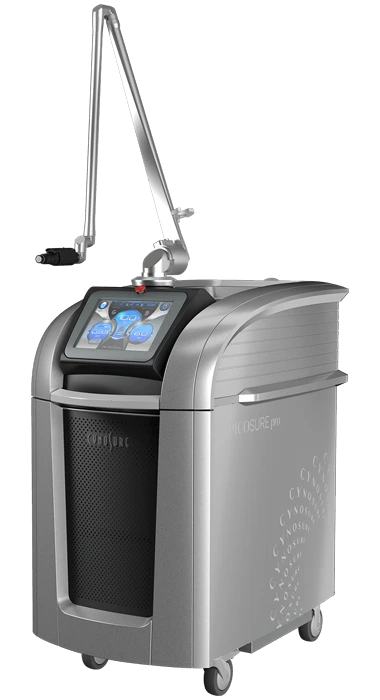 PicoSure Pro
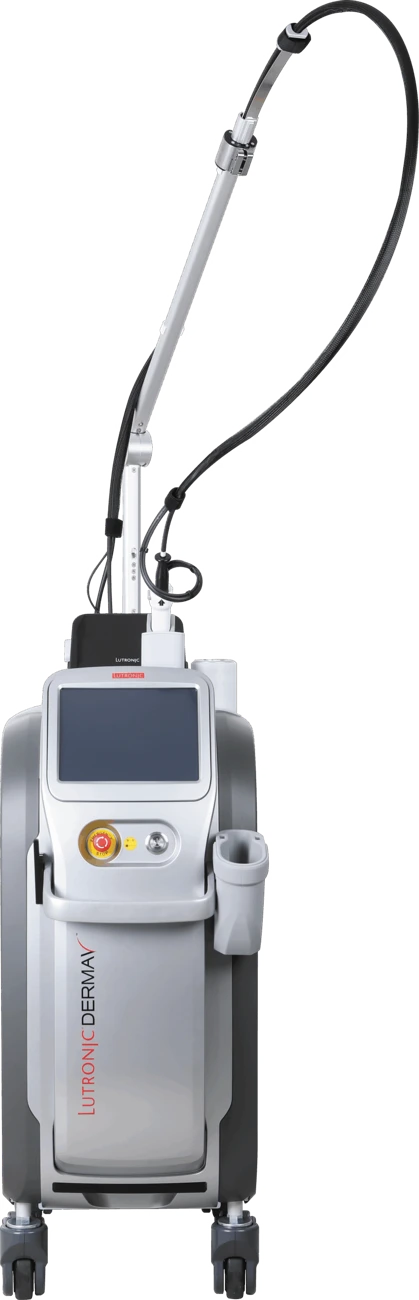 DermaV
Your care, step by step.
Assess the target
Identify the concern, skin or body area and suitability.
Plan the sequence
Agree the technology, timing, recovery and expected course of care.
Planned treatment
Carry out the agreed approach and provide the specific aftercare.
Recover & review
Follow aftercare and review the response before any further treatment.
What to plan for
Your skin assessment determines whether both technologies are useful, how they are sequenced and the recovery to plan for.
The sequence, session count and intervals are agreed individually. This is a pathway, not a fixed calendar.
An informed choice.
What the evidence can tell you — and where its limits matter.
Sources checkedEvidence & expectations
PicoV combines pigment/texture and vascular targets. The studies below concern those targets separately; they do not establish that this named combination is superior, appropriate for every redness or pigment concern, or best performed in one visit.[1]
A prospective 20-person study of a 755 nm picosecond laser with a diffractive optic reported improvement in acne-scar texture. It was small and not a randomized comparison with another treatment. Its findings do not guarantee the same outcome with every lens, setting or PicoSure Pro indication.[2]
Laser and light treatments can reduce visible vessels in rosacea. Persistent background redness and inflammatory spots are different targets, and their responses vary. Evidence for the treatment class should not be read as a guaranteed DermaV-specific result.[3]
Preparation & recovery
Recent tanning, previous pigment changes and your usual skin care affect planning. Arrange sun protection and product-specific aftercare; a treatment setting or study schedule should not be copied as a personal prescription.[4]
A medical assessment should distinguish vessels from other causes of redness. Discuss medicines, previous light treatments and sun exposure. Ask about temporary redness, swelling or bruising and when skin-care products can be resumed.[3]
Risks & limitations
Pigment can darken or lighten after an inflammatory procedure. Melasma can recur and needs an ongoing management plan; a laser is not a universal cure for brown patches. Establish the diagnosis before selecting the device.[4]
Light treatment can cause pigment changes, burns or scarring. Skin tone, wavelength and the operator’s technique matter. Treating vessels does not remove the underlying tendency to rosacea.[3]
Compare your options
Compare a pigment-targeted treatment with a fractional texture treatment. Acne scars, tattoos and melasma are different problems; improving one does not establish effectiveness for the others.[2][4]
For rosacea, consider skin care, trigger management and appropriate medical treatment alongside any procedure. A vascular laser and a pigment laser have distinct targets; combining them needs a reason for each step.[3]
Different approaches to discuss
These links explain different targets. They are not personalised recommendations.
PicoSure Pro FocusLumecca Peak IPLSources & further reading
- Manufacturer informationPicoV: platform informationCynosure Lutronic / PicoVManufacturer information explains the platform or named protocol; it is not independent evidence of clinical benefit.
- Clinical study755 nm picosecond laser with a specialized optic for acne scarsBrauer et al. · JAMA Dermatology · 2015
- Professional guidanceLasers and lights for rosaceaAmerican Academy of Dermatology
- Professional guidanceMelasma: diagnosis and treatmentAmerican Academy of Dermatology
How we use evidence
A controlled trial compares interventions in defined groups; an uncontrolled cohort cannot, alone, establish causality. A review depends on the quality of its included studies. We distinguish these sources from manufacturer information and identify when findings do not directly apply to the platform or protocol.
The date records when sources were checked for this guide. It is not a statement of individual clinical review, product authorisation or confirmation of the clinic’s available configuration.
This guide supports a conversation with your clinician. It does not determine your suitability or replace individual aftercare instructions.
Start with your priorities.
Discuss suitability, alternatives, expected recovery and costs at your medical assessment.